
How to Market Your Vacation Rental Property

Contents
Table of Contents
Your calendar isn't empty because you have a traffic problem; you have a conversion problem.
More impressions won't fix a listing that converts at a measly 1.2%, often because of a terrible hero image, when your direct competitors are pulling in a healthy 2.8%. It's a leaky bucket, so don't pour more water in until you've patched the hole.
Effective vacation rental advertising is three things working together: the right channel mix, a listing that earns the click and closes the booking, and operations reliable enough to protect your review score.
Fix Your Listing Conversion First
Paid promotion on top of a weak listing is money wasted. Before spending a dollar on vacation rental advertising, fix the on-platform variables that Airbnb, Vrbo, and Booking.com already weight in their ranking algorithms.
Your review score is everything. A 4.7-star average, maybe dragged down by one bad review about a leaky faucet, costs you roughly 15-20% of clicks compared to a 4.9+ rating in Airbnb search.
Why? Because the algorithm doesn't see a small difference; it treats 4.9 as a critical quality threshold for good placement. Fall below it, and you're basically invisible.
Photos, Pricing, and Fees That Move Click-through Rate
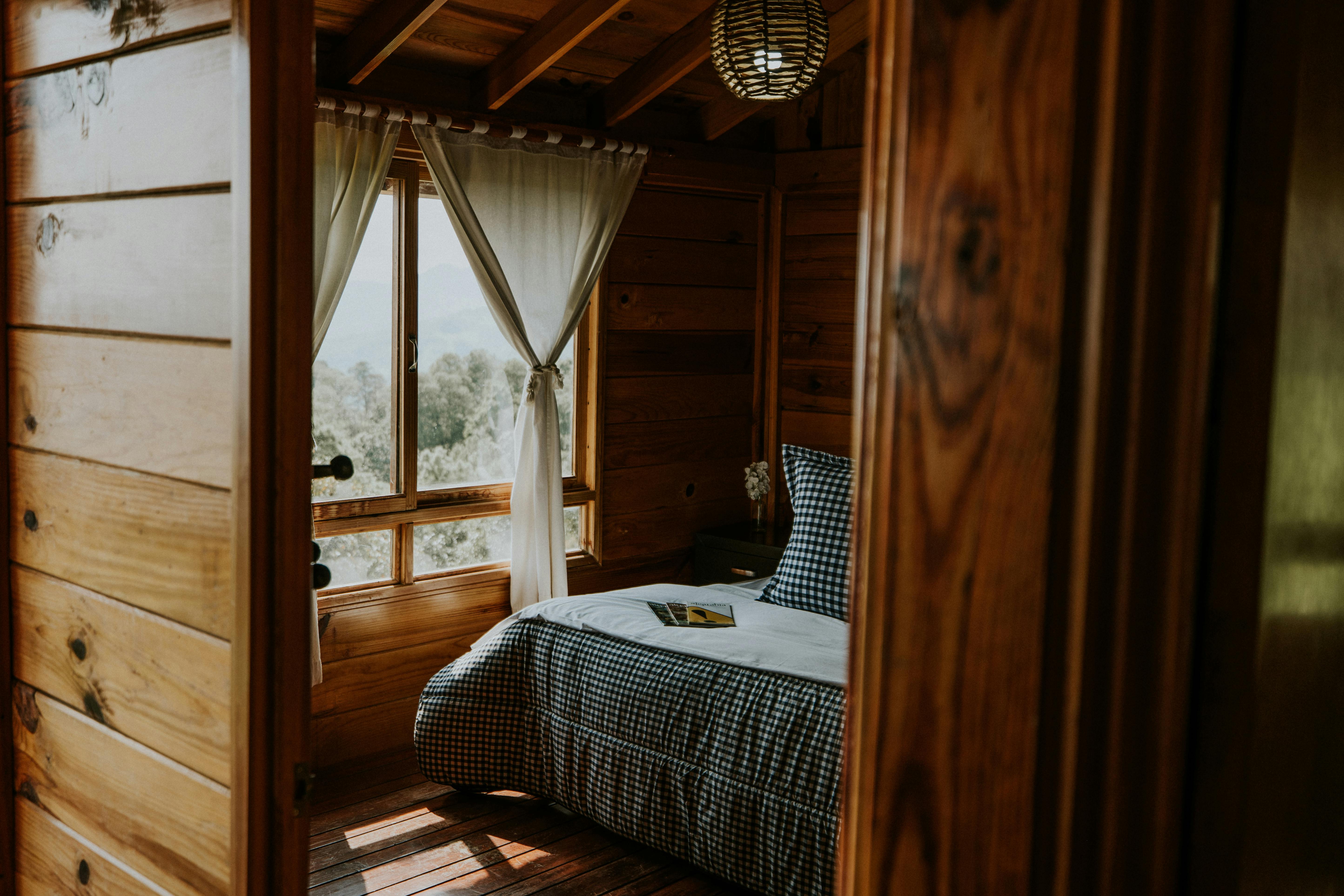
Your cover photo is your thumbnail. Airbnb's own data shows listings with professional photos earn 40% more bookings, and the first five images determine whether a guest opens the full gallery.
Sequence them: exterior with context, living area, primary bedroom, kitchen, standout amenity. Don't bury the pool on photo 22.
Fee shock kills conversions harder than a high nightly rate. A $150 base rate with a $145 cleaning fee regularly outperforms itself when restructured to $185/night with a $65 fee, the all-in price is similar, but the search result looks cheaper and checkout doesn't trigger abandonment.
Vrbo and Booking.com display total price by default; guests see the math immediately.
Aim for 25-35 photos. Under 20 signals a sparse property or a careless host.
Descriptions and Amenities That Close the Booking
Generic copy converts worse than specific copy. Write what guests actually search for before booking:
Sleep setup: exact bed count and configuration per room (king, queen, twin, pull-out)
Parking: number of spaces, covered or open, street permit required or not
Walk time to a named attraction, not "close to downtown"
Wi-Fi speed in Mbps and whether a dedicated workspace exists
Pet rules, pool heat cost, stair count, noise restrictions, and checkout task list
Cancellation policy affects conversion too, especially on Vrbo where guests filter by it. A moderate policy outperforms strict on first-time bookers; stricter policies shift bookings toward guests who've already stayed with you before.
Channel Mix Across Airbnb, Vrbo, Booking.com, and Direct
Each booking channel pulls from a different guest pool. Treating them as interchangeable is one of the most common, and costly, mistakes hosts make when figuring out how to market your vacation rental property across multiple platforms.
Airbnb generates the broadest demand and skews toward shorter stays, solo travelers, and couples. An urban one-bedroom in a major metro will typically see 2-3 night bookings, last-minute demand, and higher booking frequency on Airbnb than anywhere else.
Vrbo attracts families and groups booking further out. A beach house or mountain cabin with 3+ bedrooms will often see longer lead times (60-90 days), higher average nightly rates, and longer stays on Vrbo than on Airbnb for the same listing.
The platform charges a flat 5% commission plus a 3% payment processing fee, which is predictable for budgeting.
Booking.com fills short booking windows and brings international traffic that Airbnb and Vrbo don't reliably reach.
For properties near airports, city centers, or tourist corridors, it's worth testing, but cancellation rates on Booking.com run 20-30% higher than on OTAs with stricter policies so set non-refundable or moderate terms before activating it.
Where Each Channel Tends to Win
Direct booking doesn't compete on discovery, it competes on margin. Hosts who convert repeat guests to direct bookings eliminate OTA fees entirely, which on a $200/night property over 30 nights is $1,800-$2,400 back in your pocket annually per returning guest.
Urban one-bedroom: Airbnb first, Booking.com second for international fill
Beach house or cabin (3+ bedrooms): Vrbo for family demand, Airbnb for shoulder-season fill
Larger homes (5+ bedrooms): Vrbo and direct, where group bookings justify the effort of a direct site
Vacation Rental Advertising That Actually Pencils Out
Paid ads work for some STR operators and burn cash for others. The difference isn't budget size, it's net booking value.
If your average stay nets $900 after cleaning and OTA fees, a $120–$180 customer acquisition cost leaves a workable margin. If you're running one-night stays at $180 net, no ad channel covers that math.
The cases where paid acquisition makes sense are specific: direct-booking sites with documented repeat demand, shoulder-season gaps where occupancy drops below 60%, high-ADR properties, and branded local portfolios where name recognition compounds over time.
A Simple Customer Acquisition Cost Model for Hosts
Run this before committing any budget:
Gross booking value: $1,500 (ADR $250 × 6 nights)
Less cleaning fee pass-through: −$150
Less OTA fee avoided (direct booking): +$195 saved (13% of gross)
Less payment processing + support time: −$60
Net value per booking: ~$1,335
At that net value, spending $150–$200 to acquire one direct booking is defensible, especially if the guest books again.
A 20% repeat rate across 50 annual bookings means 10 future stays acquired at near-zero cost, which drops your effective CAC well below $100. Broad awareness campaigns don't produce that data. Attribution discipline does.
Direct Booking Demand Without Wasting Time
Most small hosts spend 40+ hours building a direct booking site before confirming a single repeat guest.
That's the wrong order. Direct bookings are worth pursuing only once you have a guest base to market to, otherwise you're competing with Airbnb's $1.8B annual marketing budget on a shoestring.
The minimum viable direct stack is five things: a fast mobile site, real property photos, clear cancellation and house policies, a working payment flow, and visible trust signals like reviews or a response-time badge. Skip any one and conversion drops sharply.
Don't try to outrank OTAs on broad national searches. Direct booking works best for three audiences: guests who already stayed, referrals from those guests, and niche searches where your property has a specific angle.
Those three channels convert at 3-5x the rate of cold organic traffic.
Repeat Guests, Referrals, and Email as the Lowest-friction Channels
Stop chasing new guests. Your cheapest booking is sitting right in your inbox. Acquiring a new guest through an OTA costs you 15-20% in commission, that’s a $300 fee on a $1,500 stay you'll never see again.
In contrast, re-booking a happy past guest via a simple Mailchimp campaign costs you absolutely nothing.
Post-stay email capture is allowed under most OTA terms as long as it happens through the platform's messaging system before checkout.
Ask guests directly: "Would you like early access to our calendar and a returning-guest rate?" Most who had a good stay say yes.
Return-stay offers: A 10% discount for rebooking within 12 months converts reliably, especially for annual-trip travelers.
Seasonal reactivation: Email past guests 8-10 weeks before your peak season. Subject lines referencing their previous stay outperform generic "Book Again" blasts.
Local SEO and Off-platform Visibility
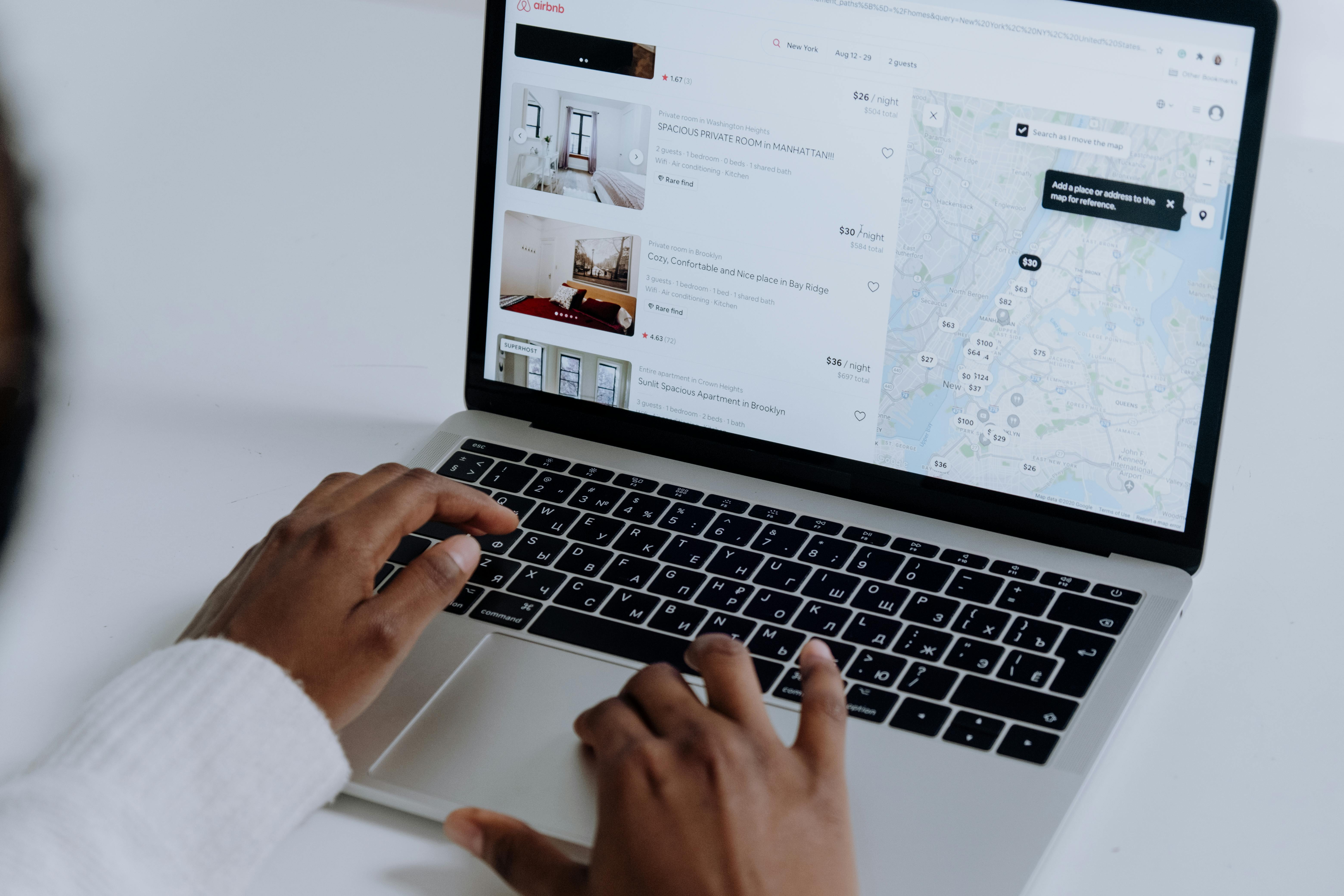
Most hosts stop at OTA listings and wonder why their calendar goes quiet in March and November. The fix isn't more platforms, it's owning the search results OTAs don't capture.
Claim your free spot on Google's map. A Google Business Profile gets your rental into local results and the "places to stay" carousel without you paying a dime in booking commission.
Fill in every single field: address, category (choose "Vacation Rental"), a description packed with your city and neighborhood name, and upload at least 15 high-quality photos. Seriously, don't skip this. According to Google's own data, complete profiles get a staggering 7x more clicks than incomplete ones.
Where hosts go wrong is publishing thin blog posts, "Top 10 Things to Do in Nashville", and expecting bookings. Generic travel content competes against media companies with domain authority you can't match. Location-specific pages built around demand windows beat generic travel blogging every time.
Event Pages and Local Partnerships That Fill Shoulder Dates
Build a dedicated landing page for every recurring demand spike near your property.
Graduation weekends, regional festivals, sports tournaments, and race weekends
Hospital travel nurse stays and contractor project housing
Wedding venues within 10 miles of your listing
Each page targets the specific event name plus your city, searches competitors rarely cover. A single wedding venue referral partnership generates 15-20 confirmed stays per year with zero ad spend; contact the venue coordinator directly and offer a guest rate.
That one relationship outperforms most paid advertising at a fraction of the cost.
Operations Signals That Affect Marketing Performance
Every channel you use to promote your rental, whether it's Airbnb search, Google vacation rentals, or direct booking ads, converts better when your operational metrics are clean.
Poor response times, stale calendars, and inconsistent cleaning don't just frustrate guests; they raise your effective cost-per-booking because fewer people who see your listing actually book it.
Response Speed, Reviews, and Availability Hygiene
Airbnb's algorithm weights response rate heavily. Reply to every inquiry within one hour during business hours to protect your Superhost status, which lifts search placement by a measurable tier. Hosts who drop below 90% response rate typically see ranking dips within 30 days.
Calendar accuracy matters just as much. Stale blocked dates trigger false unavailability errors that push guests to competitors. Sync all channels through a single channel manager and audit blocked dates weekly.
Cancellation rate: Keep host-initiated cancellations below 1% annually. Even two cancellations on a small portfolio can trigger visibility penalties on Vrbo and Booking.com.
Instant Book: Listings with Instant Book enabled on Airbnb convert at roughly 20-30% higher rates than request-to-book equivalents at the same price point.
Review responses: Reply to every review, positive or negative, with property-specific details rather than generic thanks. Guests read host responses before booking.
Cleaning consistency ties directly to review scores, and a drop from 4.8 to 4.6 stars cuts click-through rates noticeably in search results. Treat your cleaning checklist as a marketing asset, not just an ops task.
Local compliance also shapes your visibility. Short-term rental permits, occupancy caps, and platform registration requirements vary by city, and violations can result in listing suspension.
For city-specific rules, refer to a dedicated STR compliance guide rather than treating regulations as a footnote.
A 90-day Marketing Plan for 1 to 50 Listings
A phased approach forces prioritization and gives each change enough time to show up in your booking data.
Days 1-30: Fix the Foundations
Start with your hero photo, title, and the first 150 characters of your description, these control click-through before a guest reads your amenities.
Audit cleaning fees against your comp set; fees above 18% of the nightly rate suppress conversion in Airbnb's search ranking. For hosts with 10-50 properties, an automated channel manager is non-negotiable to prevent pricing drift.
If your review score is below 4.7, respond to every existing review and flag recurring complaints operationally.
Days 31-60: Test Direct and Paid Channels
Build a minimal direct booking page and send one reactivation email to past guests to fill gaps at zero commission cost.
If your listing page gets more than 300 monthly visitors, run a retargeting campaign at $5-$10 per day to test cost-per-booking before scaling.
Days 61-90: Expand What's Working
Group properties by cluster, season, and average stay length, then double down on the combination moving occupancy.
What to Track Each Week
Pull occupancy for the next 30, 60, and 90 days weekly, forward occupancy shows whether current pricing attracts bookings or pushes guests to competitors.
Track average daily rate (ADR) alongside occupancy; gains with ADR drops signal underpricing, not weak demand.
A shortening booking window means you're capturing last-minute price-sensitive guests instead of planners who pay full rate.
Conversion rate by channel shows which platform delivers revenue versus impressions.
Keep cancellation rate below 3%, above that, it signals a listing-expectation mismatch no advertising will fix.