
What is Vendor Management in Rental Properties?
Vendor Management in Rental Properties Vendor management in rental properties is the process of sourcing, contracting, scheduling…
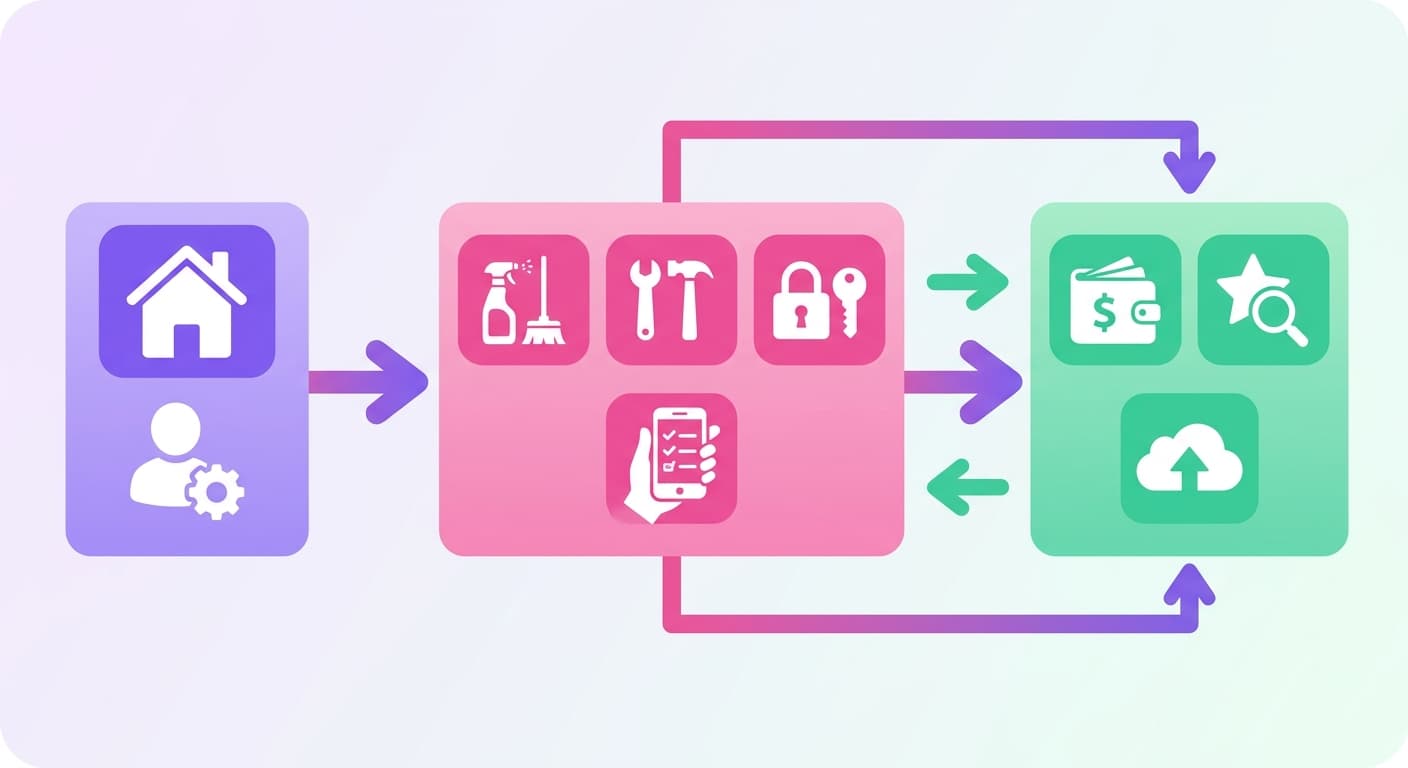
Vendor management in rental properties is the process of sourcing, contracting, scheduling, and evaluating the third-party service providers, cleaners, maintenance crews, landscapers, and inspectors, who keep your listing guest-ready between bookings.
Most guides treat it as a procurement task. It's a performance system. Every property management vendor you bring on, whether a cleaner, plumber, or landscaper, directly affects your guest experience.
Approached correctly, vendor management real estate strategy becomes one of the highest-use systems in your entire operation. Knowing the meaning of vendor management in rental properties is what separates scalable hosts from those stuck putting out fires.
Why Vendor Management Matters for STR Hosts
A single missed turnover on a $150/night listing costs you more than the cleaning fee. Cancel a same-day booking because your cleaner no-showed and you're absorbing a lost night plus a potential platform penalty that drops your search ranking for weeks.
At 75% occupancy across five properties, you're coordinating roughly 110 turnovers per month. Every vendor failure in that chain, a late cleaner, an unresponsive plumber, a landscaper who skips a visit, directly reduces your net revenue.
Hosts who track vendor performance report 12–18% fewer guest complaints related to property condition, which translates directly into fewer refund requests averaging $45–$90 per incident.
Visual Breakdown: How Vendor Costs Stack up
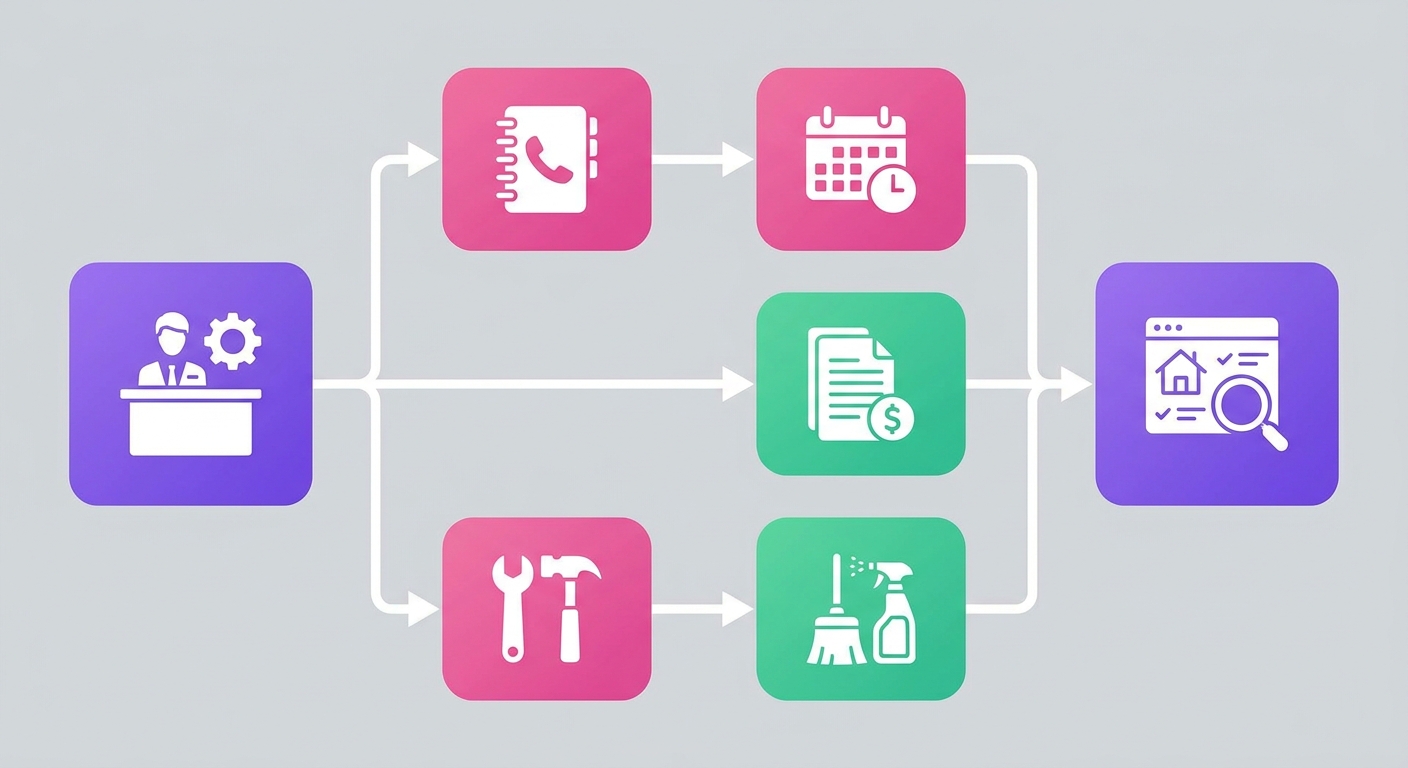
Take a property earning $150/night at 75% occupancy, that's roughly $3,375/month in gross revenue. Vendor costs typically consume 18–24% of that figure. At 20%, you're spending $675/month across cleaners, maintenance, and supplies before a single guest complaint lands in your inbox.
Here's where hosts get tripped up: they track cleaning fees ($45–$65 per turnover) but ignore the compounding cost of unvetted vendors.
A single missed turnover caused by an unreliable cleaner costs you that night's revenue plus a potential 1-star review, a hit worth far more than the $55 cleaning fee you saved by going cheap.
Without documented rate agreements and performance benchmarks, 30% of those relationships will drift, rates creep up, response times slow, and quality drops before you notice.
Most hosts watch nightly rate. The ones running tight operations watch vendor cost ratio.
When to Use Vendor Management: Seasonal Guidance
Your vendor relationships need active adjustment at least four times a year. A property running at 75% occupancy in summer and 40% in January has completely different service demands, and your vendor contracts should reflect that gap.
Peak season (June–August): Lock in your cleaning crew's availability before April. A reliable turnover team charging $85 per clean is worth more at 90% occupancy than a cheaper option who cancels on Saturdays.
Off-peak (November–February): Schedule preventive maintenance when your Airbnb sits empty. HVAC servicing, grout sealing, and appliance checks cost 30–40% less when vendors aren't overbooked.
High-demand events: If your listing is near a venue that draws 10,000+ attendees, vendors get picked up fast. Pre-negotiate priority scheduling six weeks out.
How Vendor Management Affects Other Metrics
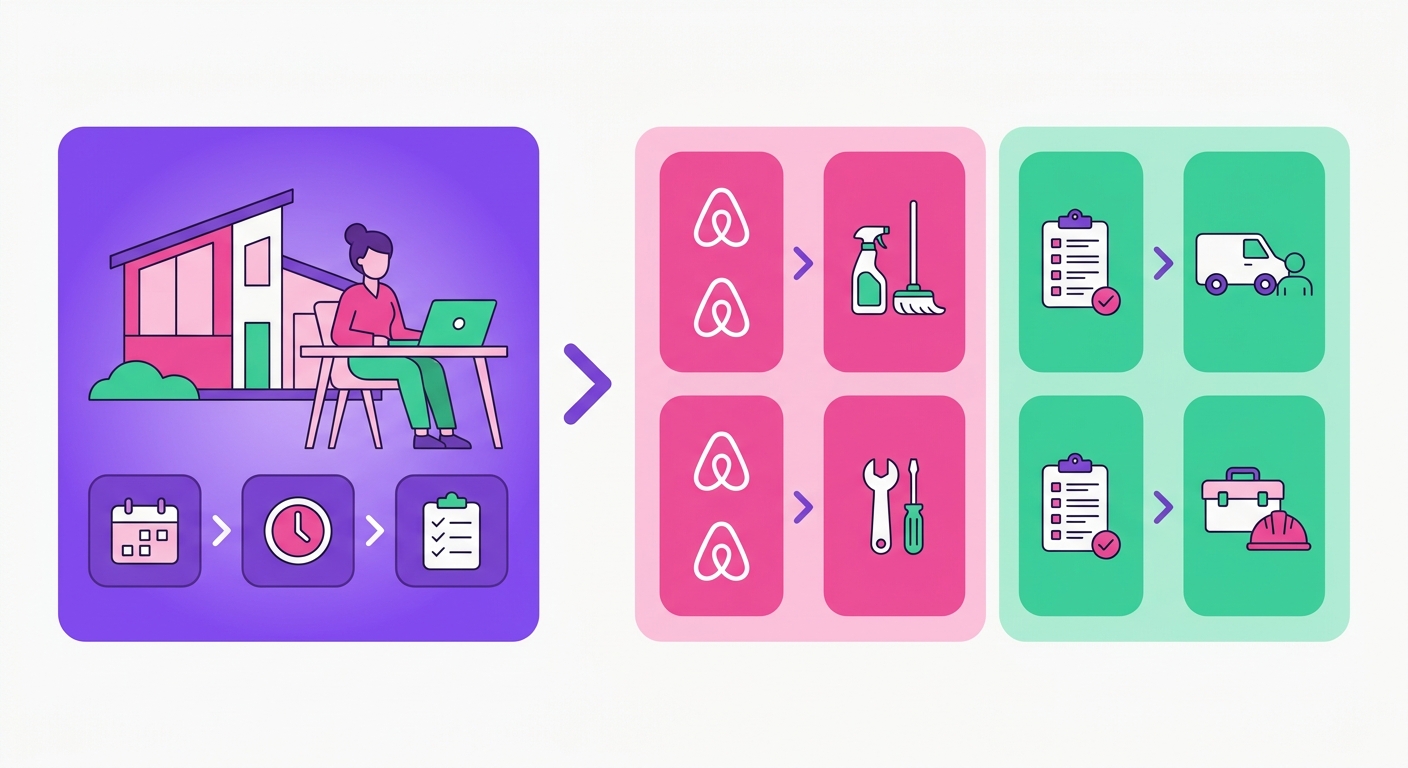
Vendor reliability connects directly to your revenue numbers. A cleaner who misses a turnover on a $220/night booking forces a same-day cancellation, that's lost income plus a potential review hit that drops your ranking and suppresses future occupancy.
Hosts running 10+ properties report that unreliable vendors are the single biggest driver of preventable 1-star reviews not pricing, not amenities.
At 75% occupancy on a $180 ADR, one bad turnover per month costs roughly $540 in direct revenue before factoring in ranking loss.
Tight vendor processes also protect your RevPAN. Properties with documented vendor schedules average 4–6% higher annual revenue per available night than comparable listings without them, per 2025 STR operator benchmarks. The exception: single-property hosts in low-demand markets where turnover volume doesn't justify formal vendor tracking.
Find Your Vendor Management Baseline in Minutes
Run your numbers against real STR benchmarks, see exactly where your vendor costs sit relative to a $150/night, 75%-occupancy property.
No credit card required. Set up in under 5 minutes.