
What is Guest Messaging?
Guest Messaging Most guides frame it as a convenience feature.
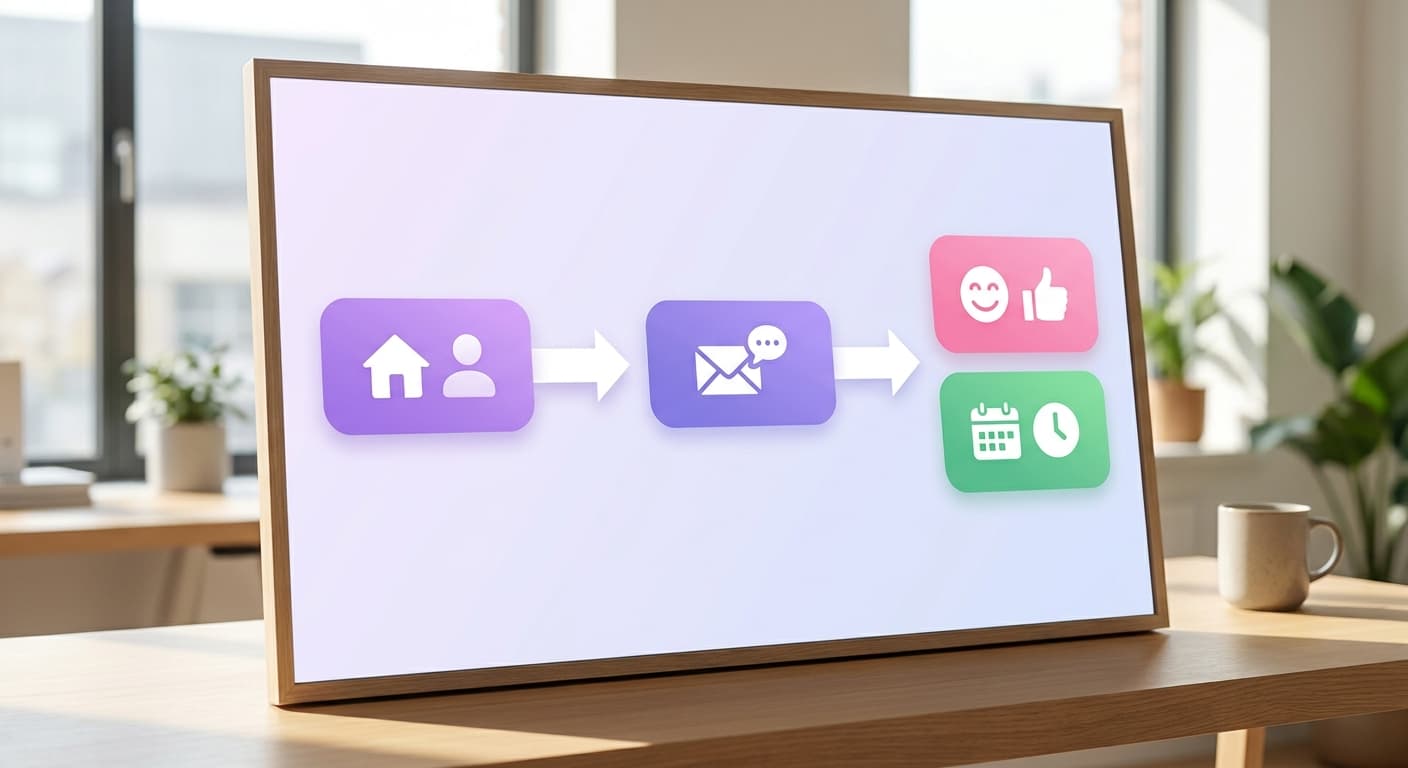
Guest messaging is the structured system of written communication between a host and a guest across a booking's full lifecycle, from the first inquiry through checkout and the post-stay review request.
For a host running a $150/night listing at 75% occupancy, a single unanswered check-in question at 10 p.m. can produce a 3-star review that costs more in lost future bookings than a month of platform fees.
A reliable hotel text messaging system solves exactly this problem by ensuring guests receive timely, consistent responses regardless of the hour. The communication system is the guest experience, not a supplement to it.
Why Guest Messaging Matters for Your STR Bottom Line
A single unanswered check-in question costs more than hosts expect. At $150/night with 75% occupancy, one guest who leaves early or files a dispute over unclear instructions can erase $300–$450 in revenue before you factor in the rebooking gap.
Guest messaging is the operational layer that prevents those losses.
Hosts who send structured pre-arrival, check-in, and post-stay messages report fewer support requests during the stay, meaning fewer emergency calls at 11 p.m. and fewer 3-star reviews citing "confusing instructions."
How Guest Messaging Works in an STR Operation
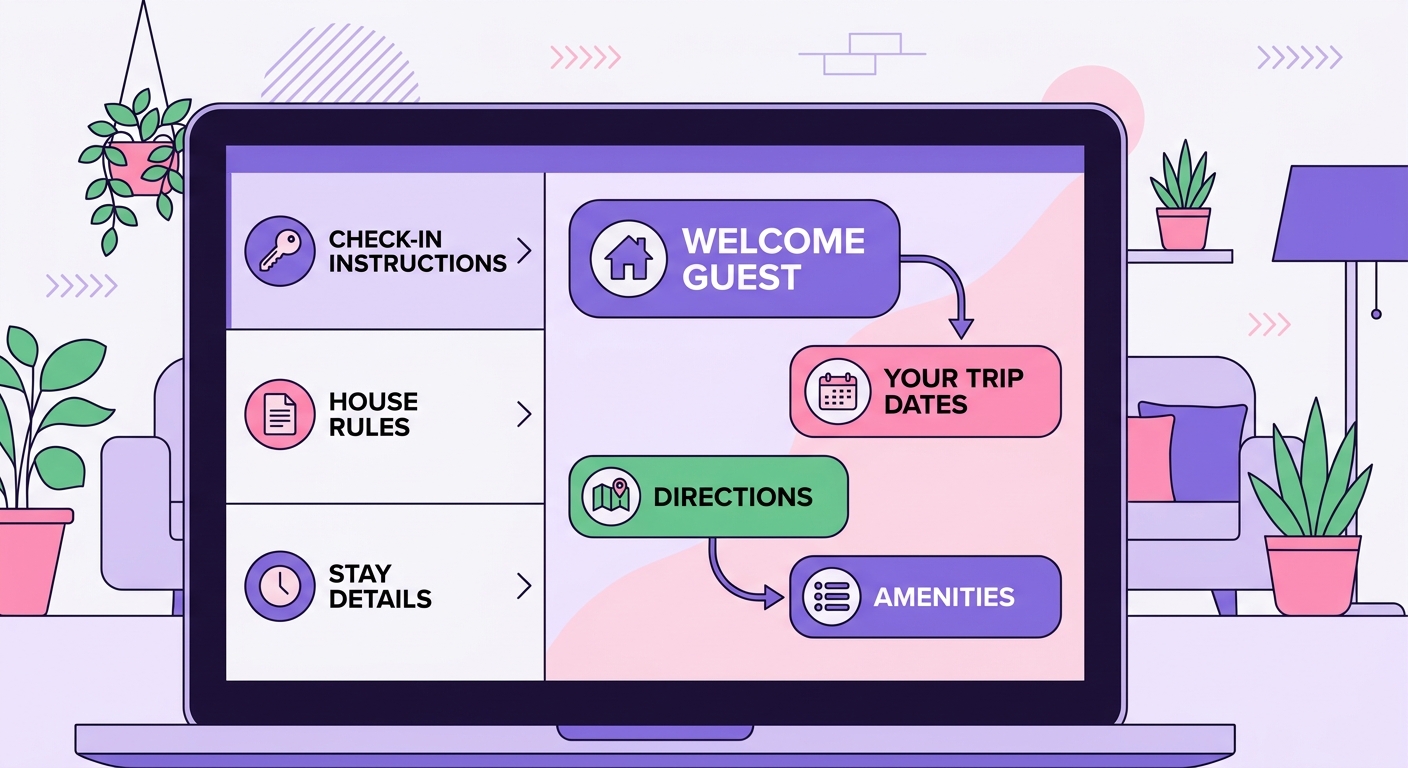
A booking at $150/night with a 2-night minimum generates at least five natural communication touchpoints before the guest even arrives: booking confirmation, pre-arrival instructions, check-in details, a mid-stay check-in, and checkout reminders.
Miss two of those and your review score drops. Miss all five and you're fielding panicked calls at 11pm.
Guest messaging is the structured system that handles those touchpoints automatically, triggered by booking events rather than manual effort.
The trigger logic matters more than the message content. A check-in message sent 48 hours before arrival performs differently than the same message sent 10 minutes before, guests have already left for the airport and can't act on late instructions.
When to Use Guest Messaging: Seasonal Guidance
Your messaging cadence should shift with your booking calendar, not stay fixed year-round. A $150/night beach property running 85% occupancy in July needs a different communication rhythm than the same listing at 40% occupancy in January.
For peak season (think June–August), you've got to send check-in details 48 hours out. Don't wait until the day before. These guests booked your beach house six months ago; they've completely forgotten the Wi-Fi password and probably the address.
In the shoulder season, don't just sit back. Send a mid-stay check-in message on day two. Because your occupancy is lower, a single unexpected 3-star review carries way more weight and can tank your ranking for weeks.
Off-season: Guests booking in slow periods often have non-standard requests. Send a pre-arrival question prompt asking about early check-in or extra supplies before they arrive.
How Guest Messaging Affects Other Metrics

Here's a number that should get your attention. Hosts who answer pre-booking questions, like "Can I bring my 25-pound cockapoo?", within one hour convert bookings at a 40% higher rate than hosts who take six hours.
It’s not just about being nice. For a typical $150/night listing running at 75% occupancy, that response time gap can mean leaving $1,800 on the table every single month. That's real money you're losing.
Review scores are the clearest downstream effect.
A one-point drop in your overall star rating, say, from 4.9 to 4.8, can reduce search visibility enough to cut occupancy by 8-12 percentage points in competitive markets. Most 1-star reviews cite communication failures, not the property itself.
ADR ties in too. Guests who receive proactive check-in instructions and local tips spend an average of 15% more on add-ons like early check-in fees, revenue that disappears when communication is reactive or absent.
Find Your Guest Messaging Setup in Minutes
Mr. Props maps your listing count, platform mix, and response volume to the right automated messaging setup, no guesswork, no wasted trial months.
Start Free Trial Take the Setup Quiz
No credit card required · Works with Airbnb, Vrbo & Booking.com