
What is Vacation Rental?
Vacation Rental A vacation rental is a privately owned property, a house, condo, cabin…
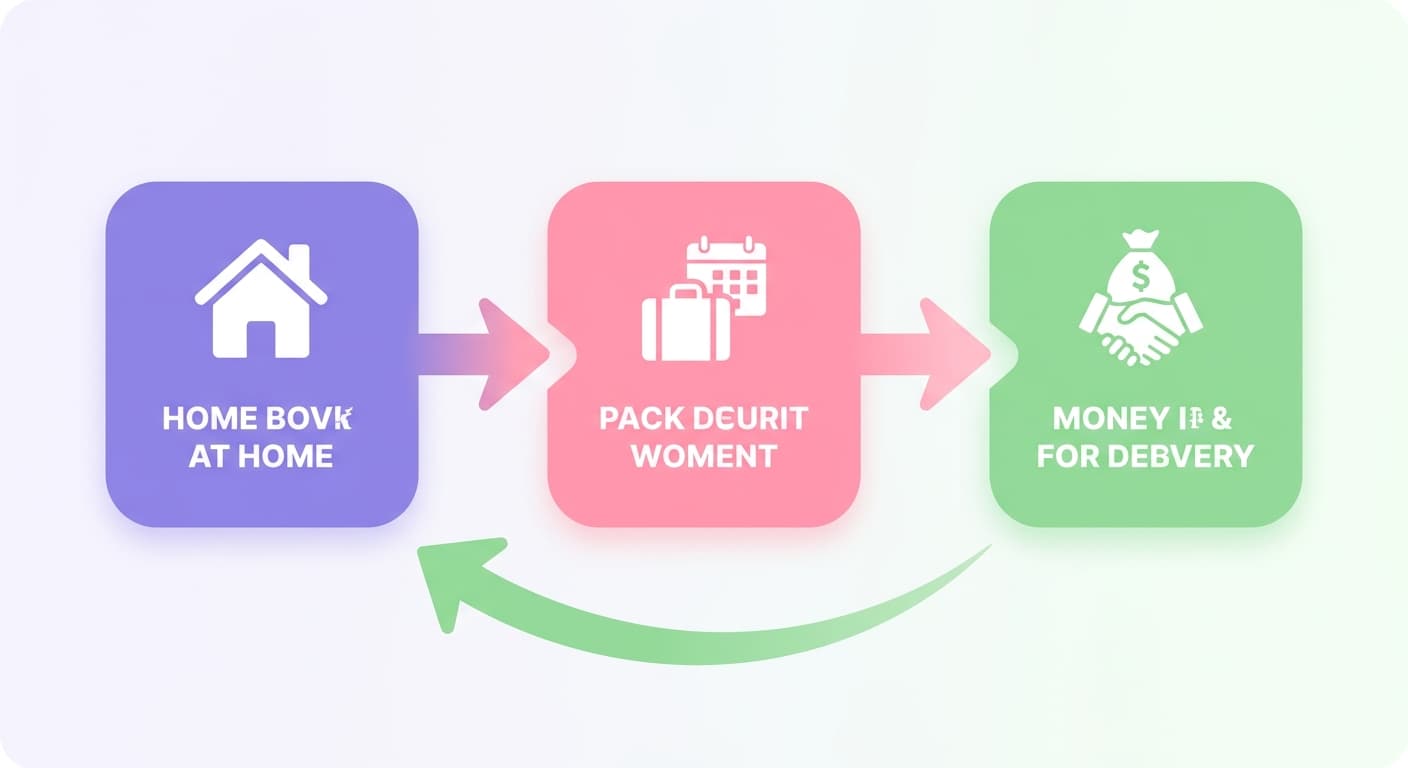
A vacation rental is a privately owned property, a house, condo, cabin, or apartment, rented to guests for short stays, typically ranging from one night to a few weeks, through platforms like Airbnb, Vrbo, or Booking.com.
Unlike a long-term lease, your income resets every checkout. A single bad pricing week costs real money, not just in theory.
Understanding what a vacation rental is separates hosts who profit from those who break even. That distinction is baked into every vacation rental definition worth reading, and it's the lens this guide uses throughout.
What a Vacation Rental Looks Like in Numbers

Let's be blunt: a vacation rental can make you a lot more money than a long-term lease.
Consider a property renting at $150/night with a solid 75% occupancy, that's around $41,000 a year.
Put that same unit on a 12-month lease at $1,800/month, and you're only bringing in $21,600. That's a staggering $19,400 gap, and we haven't even touched the $5,000 you could make from tacked-on cleaning fees alone.
A vacation rental lets you leverage dynamic pricing. When the city's annual film festival drives hotel rates sky-high for 10 days, you can triple your nightly rate for that peak period, something a 12-month contract locks you out of entirely.
Good luck asking your long-term tenant for more rent in October. It's this flexibility to react to demand that makes all the financial difference.
Timing Is Everything: Making the Most of Vacation Rental
Your listing's category shapes every pricing decision you make across the calendar year. A beach property sitting at $150/night in January might command $310/night by July, not because the property changed, but because short-term rental demand is seasonal by nature.
Three situations where your property type should directly change your behavior:
Peak season: Raise minimum stays to 4-7 nights. At 90% occupancy, a 3-night floor costs you less than constant turnover at $45/clean.
Shoulder season: Drop minimum stays to 2 nights and test a 10-15% rate reduction. Occupancy around 60-65% beats an empty calendar.
Local event windows: Treat these as micro-peaks. A single festival weekend can justify 2x your base rate for a 2-night block.
One exception: urban apartments near business districts don't follow leisure seasonality. Weeknight demand often outperforms weekend demand by 20-30%, so standard seasonal logic doesn't apply there.
How Vacation Rental Performance Connects to Key Metrics

Your property type directly shapes what numbers are worth tracking.
A short-term rental running at $150/night ADR with 72% occupancy generates roughly $39,420 in annual gross revenue. Shift that same property to a monthly rental at $1,800/month and you're at $21,600.
RevPAN is where the vacation rental model earns its premium. A 2-bedroom listing averaging $175/night at 68% occupancy produces a RevPAN of $119.
Find Your Vacation Rental Numbers in Minutes
Mr. Props pulls real booking data so you can see what a short-term rental at your address actually earns, occupancy rates, nightly rates, and seasonal swings included.
Start Free Trial See a Sample Report
No credit card required. Setup takes under 3 minutes.