
What is Property Management Agreement?
Property Management Agreement If you've ever wondered what is a property management agreement you're not…

A property management contract is a legally binding document between a property owner and a management company that outlines the responsibilities, fees, and expectations of both parties.
A well-drafted contract for property management protects both the landlord and the management company by clearly defining the scope of services.
From rent collection to maintenance coordination, the property management contract sets the ground rules for how your investment will be handled.
Why a Property Management Agreement Matters for Your STR Bottom Line
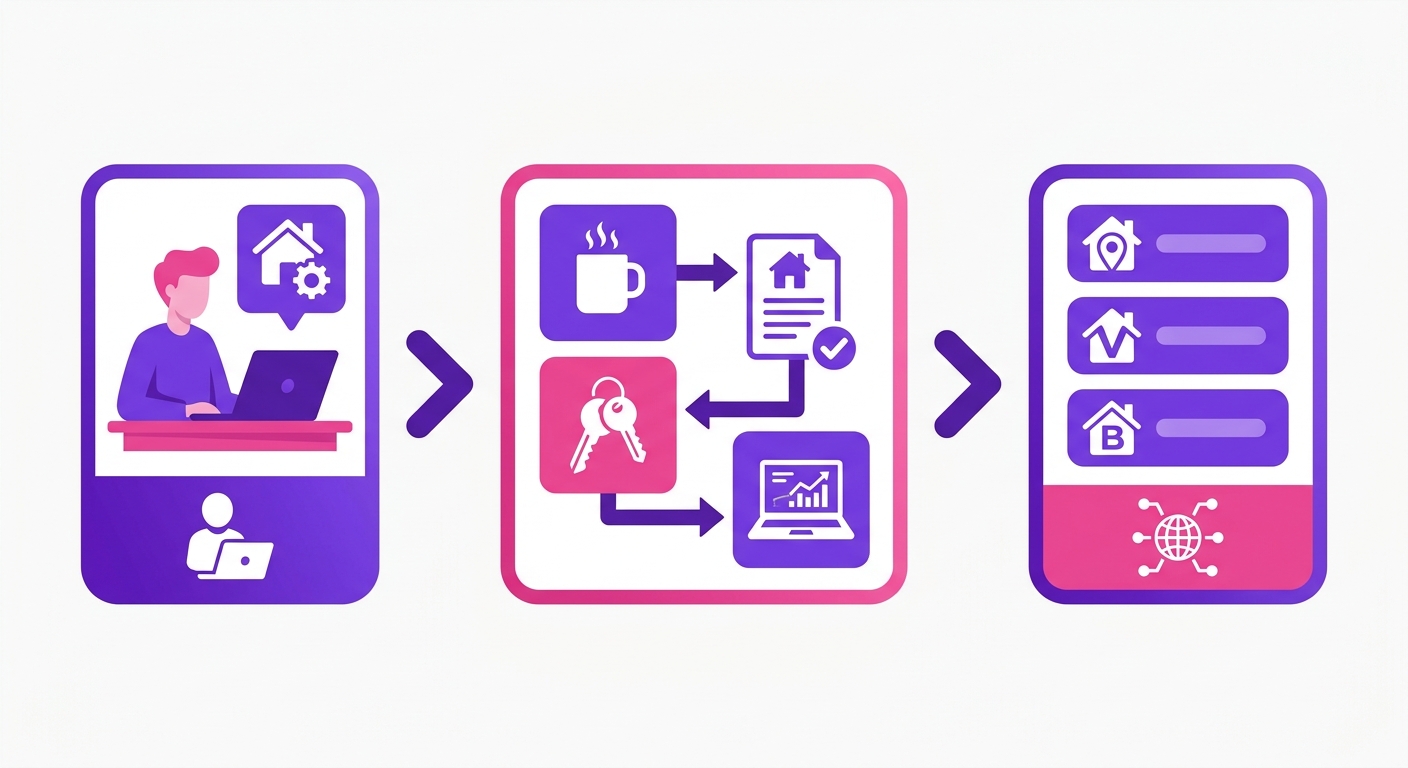
A missing or vague contract for property management is rarely a paperwork problem. It's a revenue problem. When terms aren't written down, disputes default to whoever has more use, and that's rarely the host.
The clearest financial risks from a poorly written agreement:
No fee structure means managers can charge 20–30% commission when 10–15% is market rate for most STR markets
No termination clause locks you into underperformance with no exit
Ambiguous cleaning fee ownership ($45/stay adds up to $4,000+ annually on a busy listing) creates disputes at payout
A clear property management agreement doesn't protect you from conflict. It resolves conflict before it starts.
When to Use a Property Management Agreement: Seasonal Guidance
Timing your contract matters more than most hosts realize.
Three situations that specifically call for a written property manager agreement:
Your listing enters a new market with untested demand (sign a 6-month contract, not 12)
You're adding a second property during a slow season and need performance benchmarks baked in before peak revenue arrives
Local STR regulations changed and your current contract for property management doesn't address updated compliance requirements
How a Property Management Agreement Affects Other Metrics
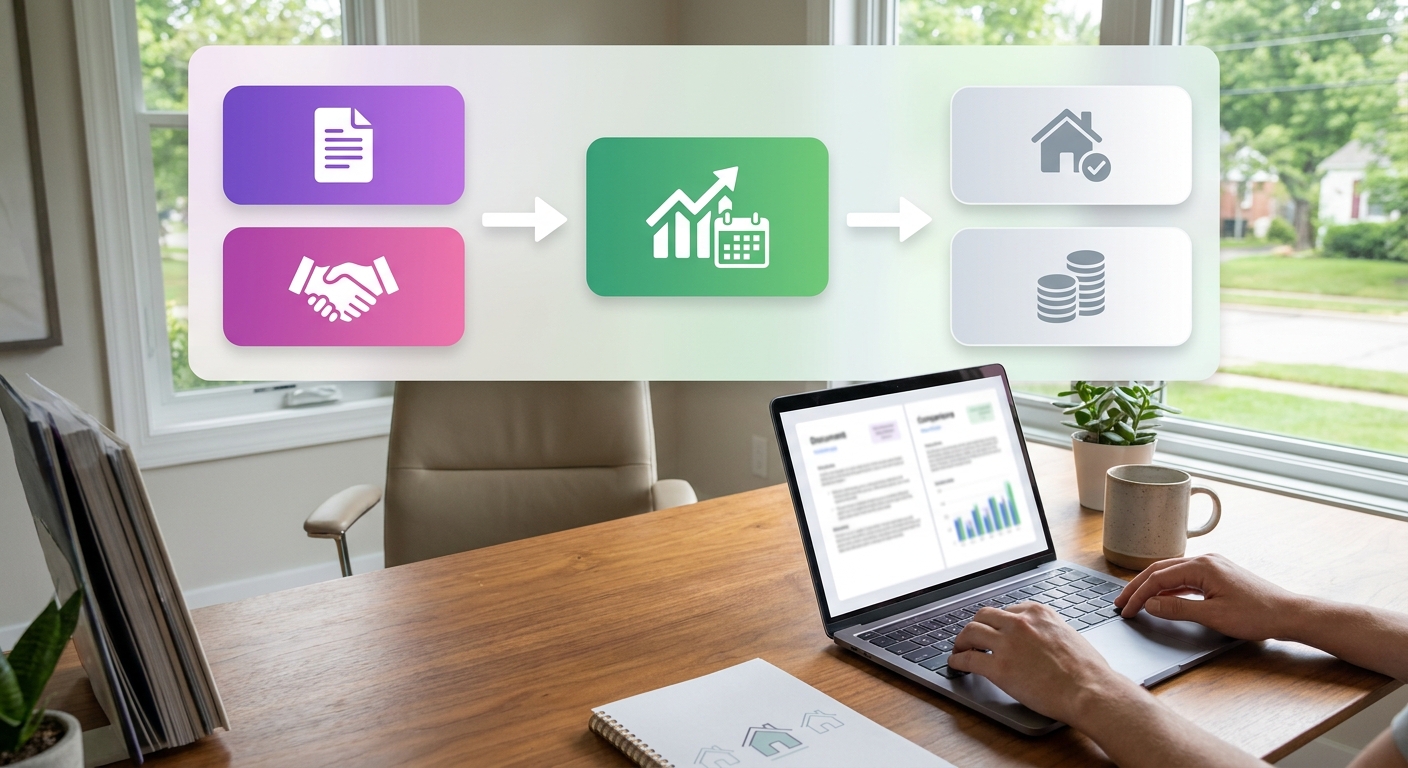
The fee structure inside your management contract directly compresses your net revenue per available night.
A 20% gross commission on a $150/night listing with 75% occupancy costs you roughly $8,213 annually across 30 nights per month, before maintenance markups or booking fee splits get added.
Two places where the contract terms hit your numbers hardest:
ADR erosion: Contracts that give managers full pricing control often result in discounted rates to chase occupancy targets, not revenue targets.
Occupancy floor clauses: Some agreements guarantee a minimum occupancy percentage, but fund shortfalls by reducing your payout rate, not by absorbing the loss themselves.
Find Your Property Management Agreement in Minutes
Mr. Props gives you vetted STR contract templates built for Airbnb and Vrbo operators, ready to sign, not redraft.
Start Free Trial Browse Templates
Trusted by 4,200+ STR hosts across 38 markets. No credit card required.