
What is Lodging Tax?
Lodging Tax A lodging tax is a government-imposed charge on short-term accommodation rentals calculated…
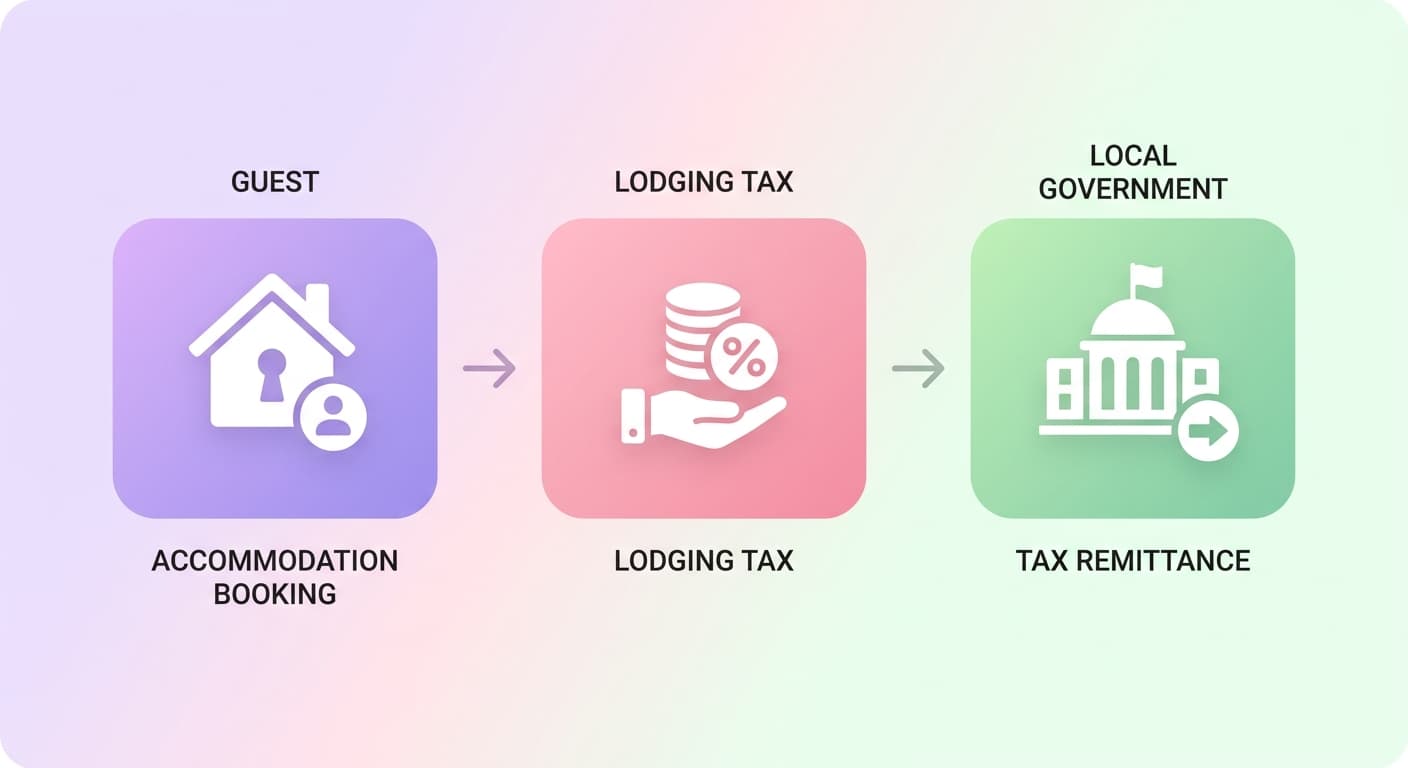
A lodging tax is a government-imposed charge on short-term accommodation rentals calculated as a percentage of the nightly rate.
If you're wondering how much it is in your area, the answer varies widely, but if you charge $150/night and your combined rate is 14%, your guest pays $21 in tax per night, separate from cleaning fees or platform charges.
It goes by different names, hotel tax, occupancy tax, transient rental tax, tourist tax, but the mechanic is the same: you collect it from guests and remit it to the relevant city, county, or state authority.
Lodging Tax and Your STR: What's Really at Stake
Miss a lodging tax filing and you're not just looking at a fine, you're looking at back taxes, penalties, and interest that can wipe out months of net income.
In high-tax markets, combined state and local rates routinely hit 15–18% of gross rental revenue. On a property earning $150/night at 75% occupancy (roughly $41,000/year), that's $6,150–$7,380 owed annually in tax alone.
The tax affects your pricing math. If you're building nightly rates without accounting for what guests actually pay after taxes, you're underpricing against competitors who've done that math correctly.
How Lodging Tax Looks on a Real Booking
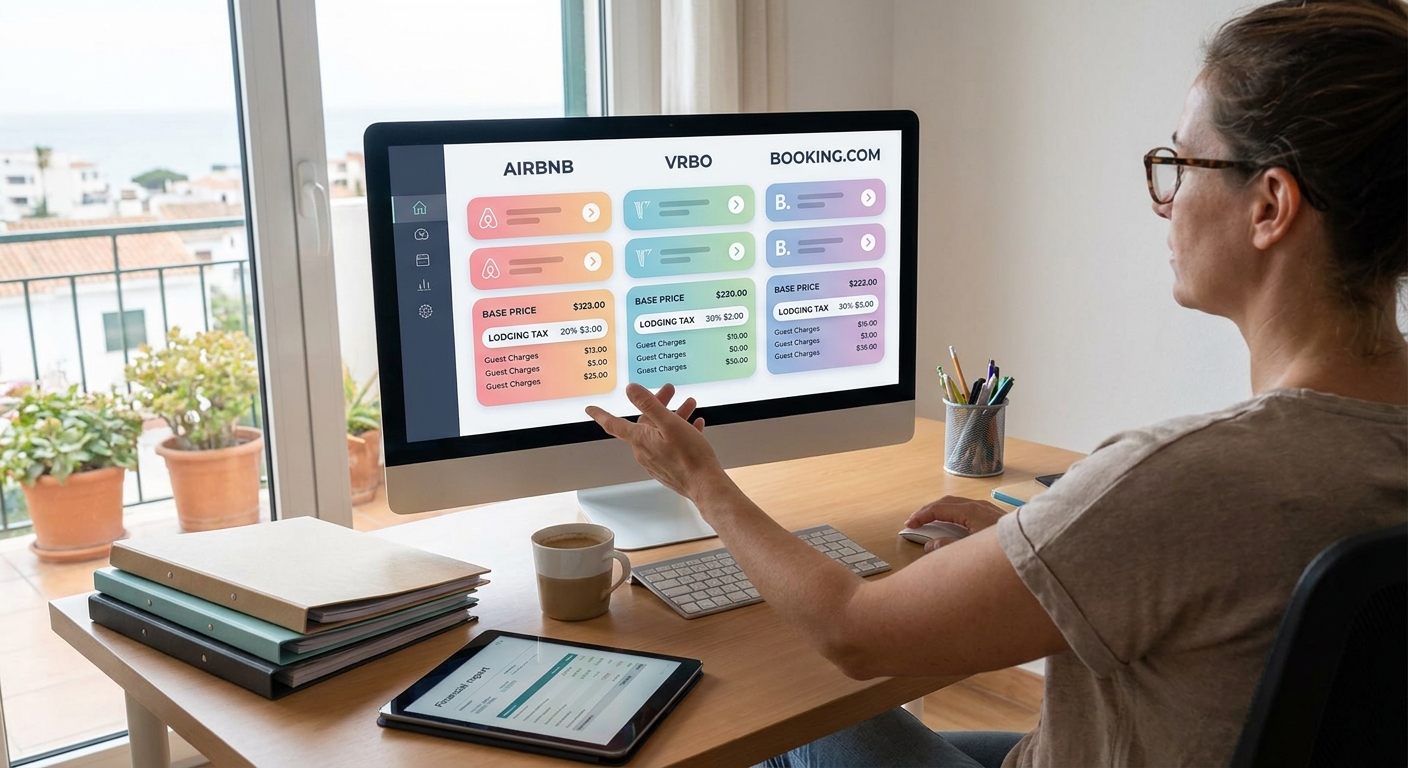
The number that trips up most hosts isn't the tax rate, it's forgetting that the rate applies to your nightly rate only, not your total payout.
Cleaning fees, pet fees, and damage deposits are typically excluded from the taxable base, though a handful of jurisdictions do tax cleaning fees. Check your local rules.
Here's a concrete example. Your Airbnb is booked for 3 nights at $150 per night. The local hotel tax rate is 12%. Your taxable base is $450.
The tax owed is $54. That $54 gets collected from your guest and remitted to the relevant tax authority, it's not your revenue.
Where hosts get burned: assuming Airbnb collects and remits everything automatically.
Don't assume Vrbo and Booking.com handle taxes exactly like Airbnb, because they don't.
While Airbnb's system is fairly comprehensive, the other platforms have much patchier auto-collection coverage, especially in places like Florida where they might collect the 6% state sales tax but leave you on the hook for local tourist taxes.
When to Use Lodging Tax
Your lodging tax obligation doesn't change with the calendar, but how it affects your pricing decisions absolutely does.
Two situations where tax rate awareness directly changes what you should do with your Airbnb pricing:
Peak season (75%+ occupancy): Tax pass-through is invisible to guests paying premium rates. Don't discount to compete, your effective net after a 10% combined rate is still higher than your off-season gross.
Shoulder season (40–55% occupancy): Cutting your nightly rate to fill gaps compresses your margin faster than most hosts realize, because the tax amount is fixed regardless of your discount.
If your jurisdiction adjusts hotel tax rates mid-year (some state legislatures do this), check your platform's tax collection settings before your next booking window opens.
How Lodging Tax Affects Other Metrics
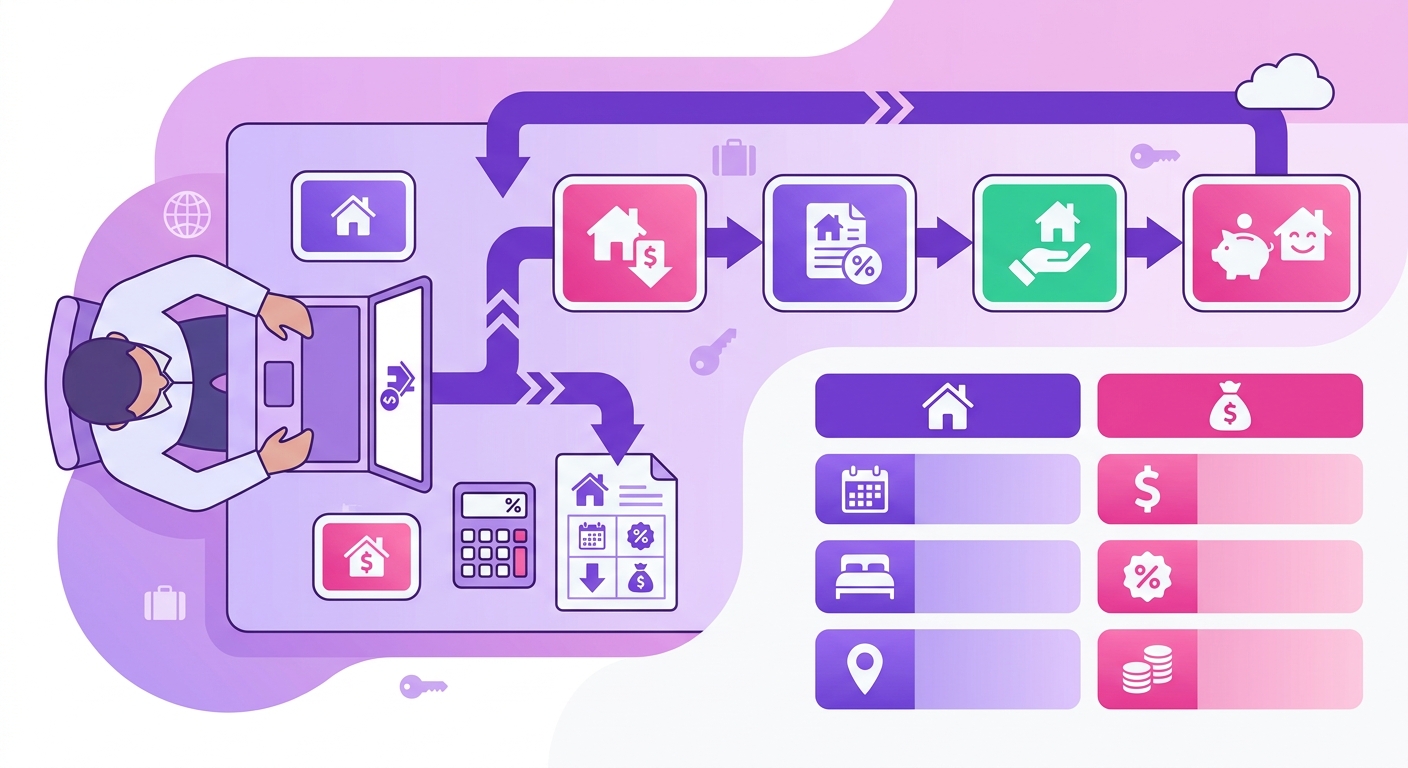
While it doesn't directly tank your occupancy rate or ADR, it absolutely guts your effective revenue per available night.
Think about it. At 75% occupancy with a $150/night rate and a steep 12% local tax, you're not making $150; you're just a collection agent passing a full $18 per booked night straight to the government. That's not your money.
Hosts who mistakenly include tax in their ADR calculations consistently overstate their real earnings by 8–15%, a massive error that can make a new property investment look far more profitable on paper than it actually is.
Find Your Lodging Tax Rate in Minutes
Stop guessing what you owe. Mr. Props pulls current lodging tax rates by state and county for your listing address, so you can price accurately and stay compliant.
Start Free Trial Try the Tax Calculator
No credit card required • Works with Airbnb, Vrbo, and Booking.