
What is House Rule for Renters?
House Rule for Renters
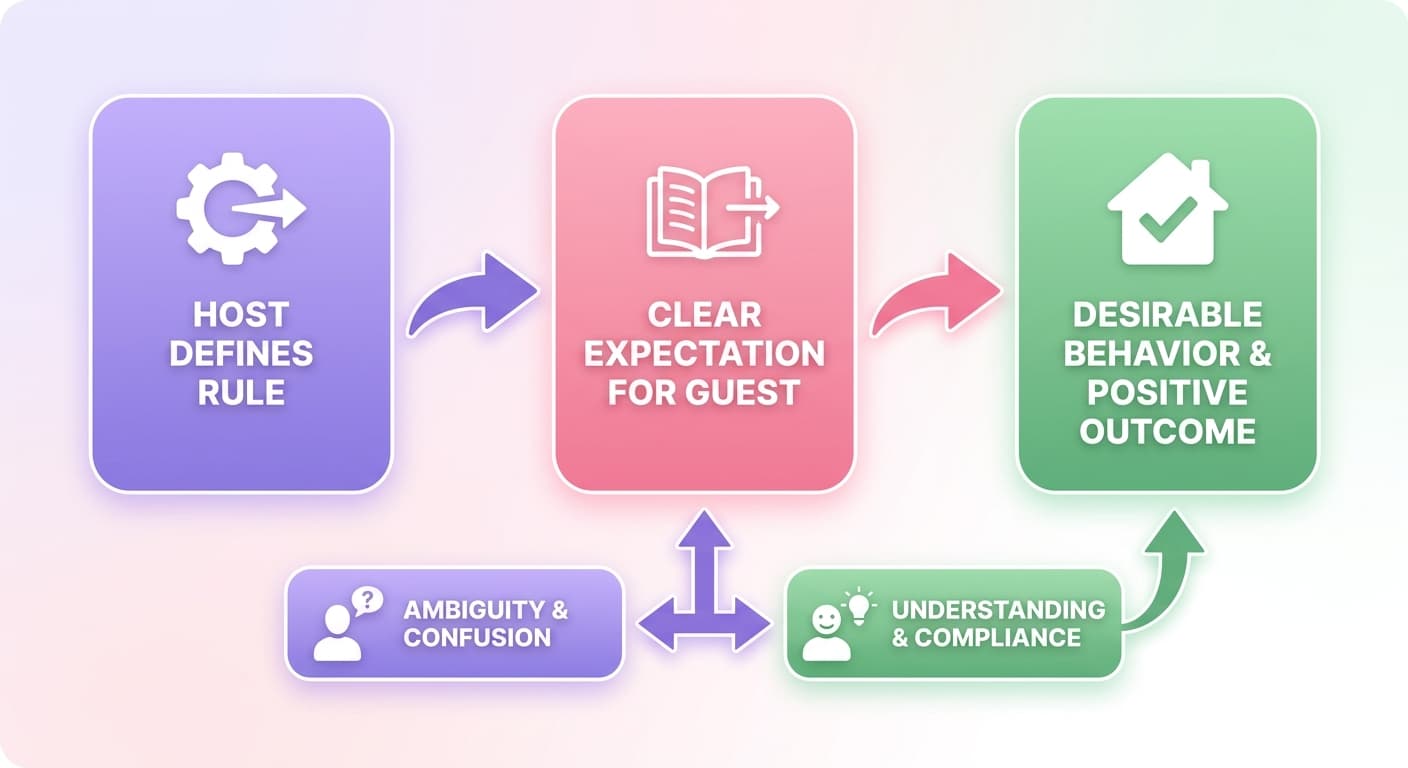
A house rule for renters is a written policy that sets specific behavioral and operational expectations guests must follow during their stay at your property.
Think of it as the operating agreement between you and every guest who books, covering everything from quiet hours (typically 10 p.m. to 8 a.m.) to parking limits, pet restrictions, and maximum occupancy.
Rules for tenants in long-term rentals serve a similar function, but STR house rules carry more weight per booking because you're resetting expectations with a new guest every few nights.
Why House Rules Matter for STR Hosts
A single damage incident at a $150/night property can wipe out 10 nights of revenue. That's not hypothetical, it's the math behind why clear rental rules exist.
The financial case for documented rules is concrete:
Hosts with explicit no-smoking policies report 40% fewer cleaning disputes on Airbnb
A pet damage incident averages $280 in remediation, more than six times the typical $45 cleaning fee
Listings with detailed rules and regulations for tenants convert at comparable rates to sparse listings, but generate fewer refund requests
House rules are a revenue protection tool, not a hospitality formality. Every rule you skip writing is a cost you're choosing to absorb later.
How to Adjust Your House Rules by Season

Stop using the same house rules in July that you use in January.
Adjust your rules to match the guest profile each season actually delivers:
Peak season (75%+ occupancy): Tighten noise curfews and add an explicit guest-count cap, groups of 6+ cause 3x more damage claims than couples.
Shoulder season: Relax check-in flexibility to attract longer stays; 4-night minimums drop your per-stay turnover cost by roughly $35.
Off-season: Add rules covering heating limits and property-specific equipment if you're opening the listing to winter markets for the first time.
How House Rules Affect Other Metrics

House rules don't just set expectations, they directly influence your revenue per available night and review scores, which feed back into search ranking.
According to Airbnb host community data, listings with clearly written rental rules see 12–18% fewer dispute-related refunds for things like undeclared pets or property damage.
Fewer refunds means your effective ADR doesn't get hammered. It's simple math. At $150/night with 75% occupancy, avoiding just one of those refunds each month protects $150 in revenue you actually get to keep.
Stricter rules don't reliably lower bookings. Listings with no-party and no-smoking policies convert at comparable rates to permissive listings, guests who'd violate those rules weren't your target demographic anyway.
Find Your House Rules in Minutes
Mr. Props generates guest-ready rental rules built around your property type, nightly rate, and occupancy limits, no blank-page guessing.
Start Free Trial Browse Templates
No credit card required · Used by 4,200+ STR operators