
What is Vacation Rental Damage Waiver?
Vacation Rental Damage Waiver A vacation rental damage waiver is a small, non-refundable fee, typically $10…
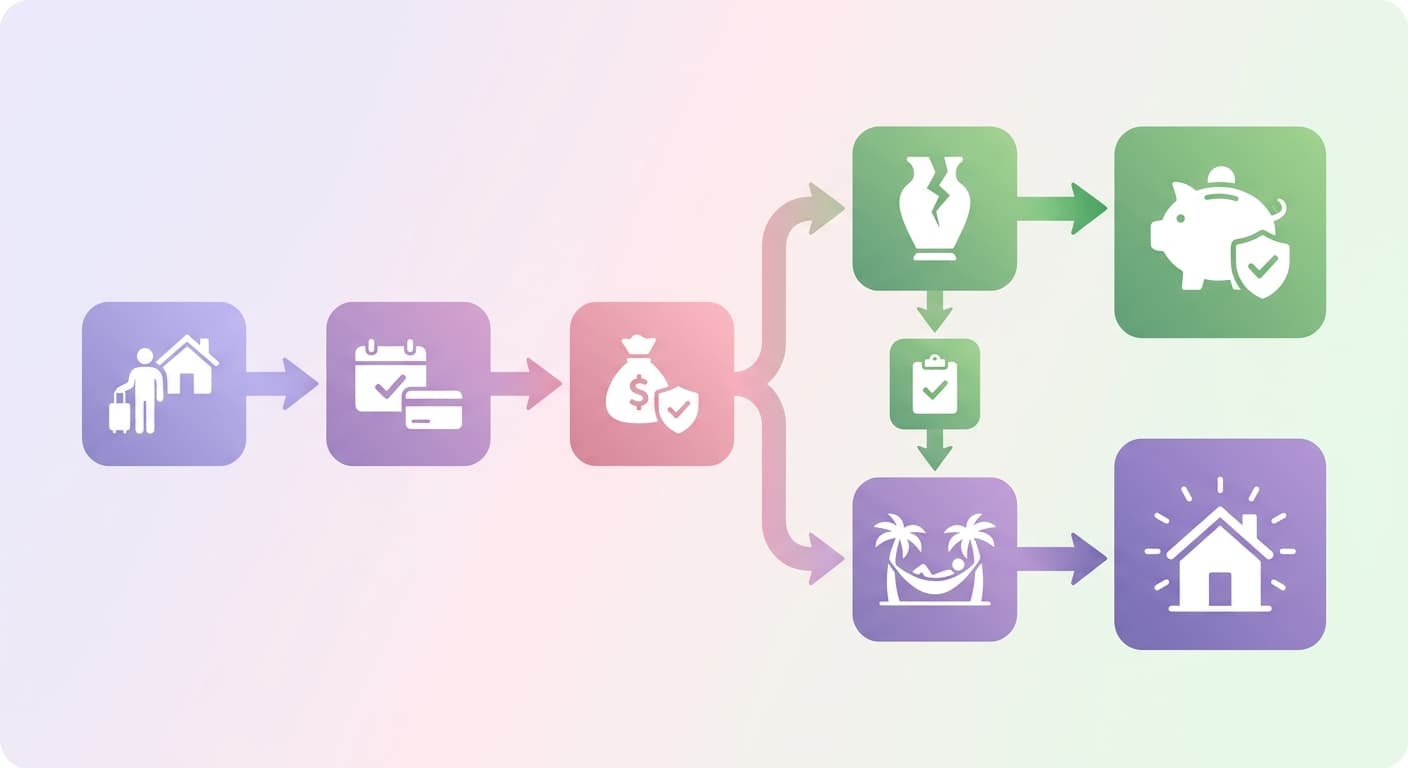
A vacation rental damage waiver is a small, non-refundable fee, typically $10 to $65 per booking, that guests pay upfront in exchange for limited coverage of accidental property damage up to a specified dollar cap, usually $500 to $1,500.
Unlike a security deposit, the waiver isn't held and returned. Guests pay it once, it's gone, and if something breaks within the covered limits, you file a claim rather than chase a refund dispute through Airbnb's resolution center.
The fee is collected per stay, not per guest. On a $150/night listing running at 75% occupancy, that's roughly $2,700 in waiver revenue annually, money that sits outside your nightly rate and doesn't affect your pricing position on search.
When you factor in that figure alongside the claims protection itself, a vacation rental damage waiver often pays for itself after just one or two covered incidents per year.
Why Vacation Rental Damage Waiver Matters
A single unrecovered damage claim can wipe out three to five nights of revenue. At $150/night with 75% occupancy you're earning roughly $3,375/month per property.
One guest who breaks a $400 piece of furniture, and disputes the charge, can trigger a platform dispute that takes 30+ days to resolve and still pays out nothing.
Instead of chasing reimbursement after the fact, you collect a non-refundable fee upfront (typically $25–$65 per booking) that covers accidental damage up to a set limit, usually $500–$1,500. No claim filing. No guest confrontation.
Hosts running 20+ bookings per year at a $35 waiver fee generate $700+ annually in predictable damage coverage before a single incident occurs.
That's not a hedge. That's a revenue-neutral protection layer that costs guests less than their first dinner out.
How a Damage Waiver Works in Practice
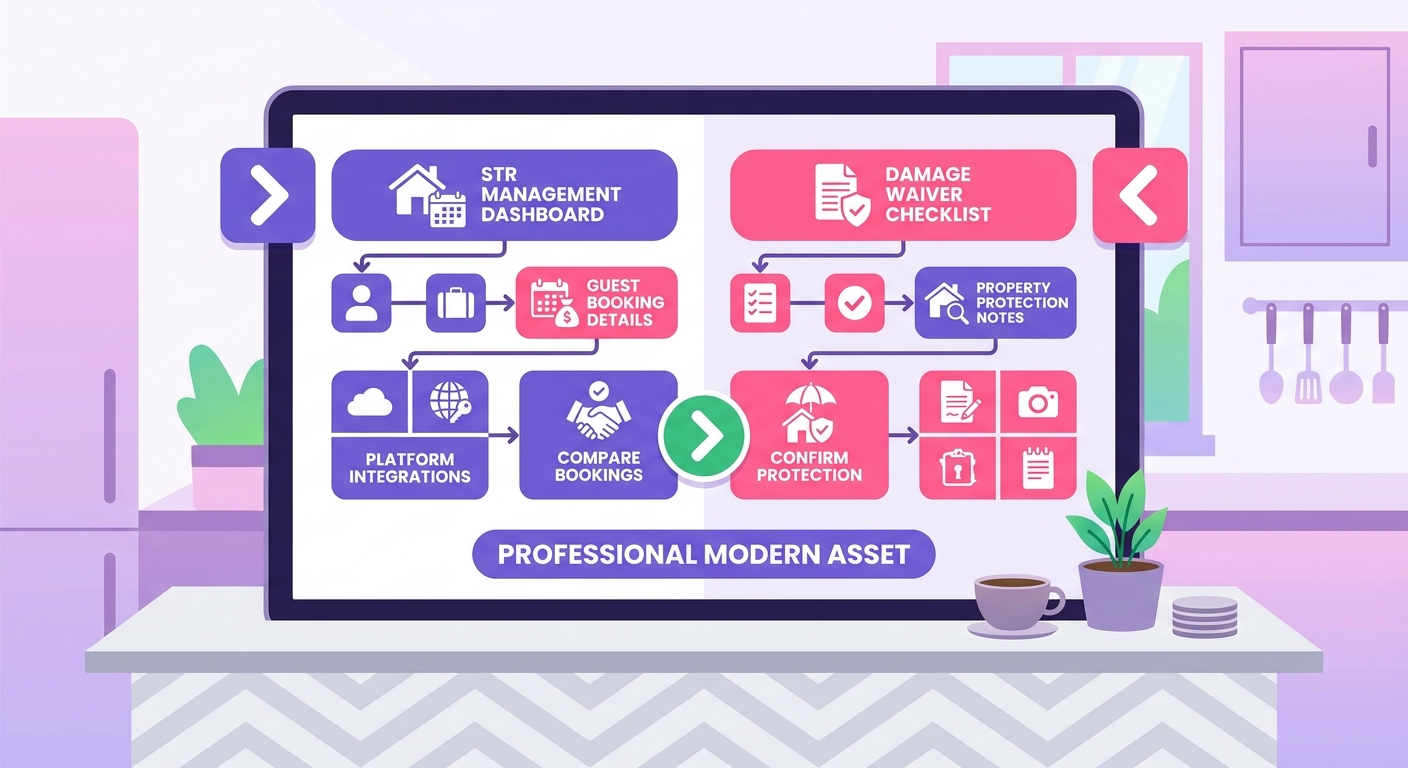
A guest pays a non-refundable fee, typically $25–$65 per booking and in exchange, you waive your right to charge them for accidental damage up to a set dollar limit, usually $500–$1,500.
No security deposit hold. No post-checkout dispute. No Airbnb resolution center back-and-forth.
The fee goes to you (or to a third-party program administrator). If damage occurs and falls within the covered limit, the cost is absorbed, either from the pooled fee revenue or reimbursed by the program.
Intentional damage isn't covered. Neither is theft, pet damage at properties without a pet fee, or damage exceeding the cap.
Your annual collection from the waiver program must exceed your average damage claim cost, or you're losing money.
For most STR operators with well-maintained properties, it’s not an issue. But don't kid yourself if you have a hot tub or pool, we've seen damage frequency in those properties jump by as much as 30%.
When to Use a Vacation Rental Damage Waiver
Your decision to charge a damage waiver, or raise its amount, should track with risk, not calendar habit. A $25 waiver that works fine during a quiet mid-week February booking won't cover you during a 12-guest Fourth of July weekend at $285/night.
Peak season (Memorial Day through Labor Day): Raise your waiver to $45–$65. Occupancy above 80% means faster guest turnover and less time to catch damage between stays.
Off-season, single guests: A $15–$20 waiver is defensible and won't spook price-sensitive travelers who book your listing in January.
The Wider Impact of Offering a Vacation Rental Damage Waiver

The connection is real, but not automatic. A damage waiver typically adds $15–$35 per booking. On a listing averaging $150/night with 70% occupancy, that's $3,825–$8,925 in additional annual income before provider payouts.
Where it shows up in your numbers:
RevPAN (Revenue Per Available Night): Waiver fees count as ancillary revenue, so RevPAN rises without touching your nightly rate.
Booking conversion: Listings that replace a $500 security deposit with a $25 waiver see fewer abandoned bookings, Vrbo hosts report 8–12% conversion improvement after switching.
ADR optics: The waiver fee sits outside your displayed rate, keeping ADR competitive while total revenue per stay increases.
Find Your Vacation Rental Damage Waiver in Minutes
Stop piecing together fee structures from forum posts. Mr. Props gives you damage waiver benchmarks, fee calculators, and policy templates built for STR operators managing real listings at $100–$300/night.
Start Free Trial Explore Tools
No credit card required. Used by 4,000+ STR hosts.